Keeping products focused, leaning on experience, and soaring with a classic brand
June 26, 2026
Saying no to clients, humanity’s competitive advantage, and a nostalgic brand returns to the skies. Whether it be in the office or on the airplane headed to our next program, we’re always talking about the issues and trends that are shaping the way we learn as well as what interests each of us on the team. Read more below.
When to say no
In the early days at Airbnb, with only $200 in weekly revenue, a corporate housing client offered to solve all their immediate problems if they’d only reorient the platform. Chesky said no. Similarly, Stripe was courted by large financial institutions eager to build on top of Stripe’s product, turning Stripe into payment infrastructure instead of a tool for developers. The Collisons said no. Slack faced enterprise customers whose feature requests seemed reasonable in isolation but collectively created a different product. Butterfield said no. It’s easy to mythologize these stories as the visionary founder rejecting a big customer, staying true to mission, and ultimately finding success. None of these founders said no out of bravado. They said no because they knew who their product was for and recognized a customer steering the product off course. The most dangerous customers are the almost-right ones. Without the clarity of knowing your product’s end customer, financial pressure makes every decision, and it almost always says yes.
Our Very Human Competitive Advantage
According to research from Gartner, half of companies that cut jobs for AI-related reasons will rehire those roles by 2027. Additional research from Forrester’s data shows that 55% of employers who restructured for AI already regret it. As Soren Kaplan writes in Inc., the mistake was replacing jobs requiring human judgment with AI that delivers information retrieval. Klarna is the infamous cautionary tale. In 2024, they claimed their AI chatbot replaced 700 customer service agents and projected tens of millions in savings but, by 2025, they were hiring specialized human agents back to handle fraud disputes, complex billing issues, and emotionally charged situations. AI can categorize and retrieve data at superhuman speed but fails to draw on the pattern recognition, institutional memory, and hard-won judgment that comes from having navigated high-stakes situations under real pressure. That kind of intelligence only experience builds. As Kaplan reminds us, “Your collective experience is the only competitive advantage competitors can’t download.”
A Classic Icon of The Skies Returns
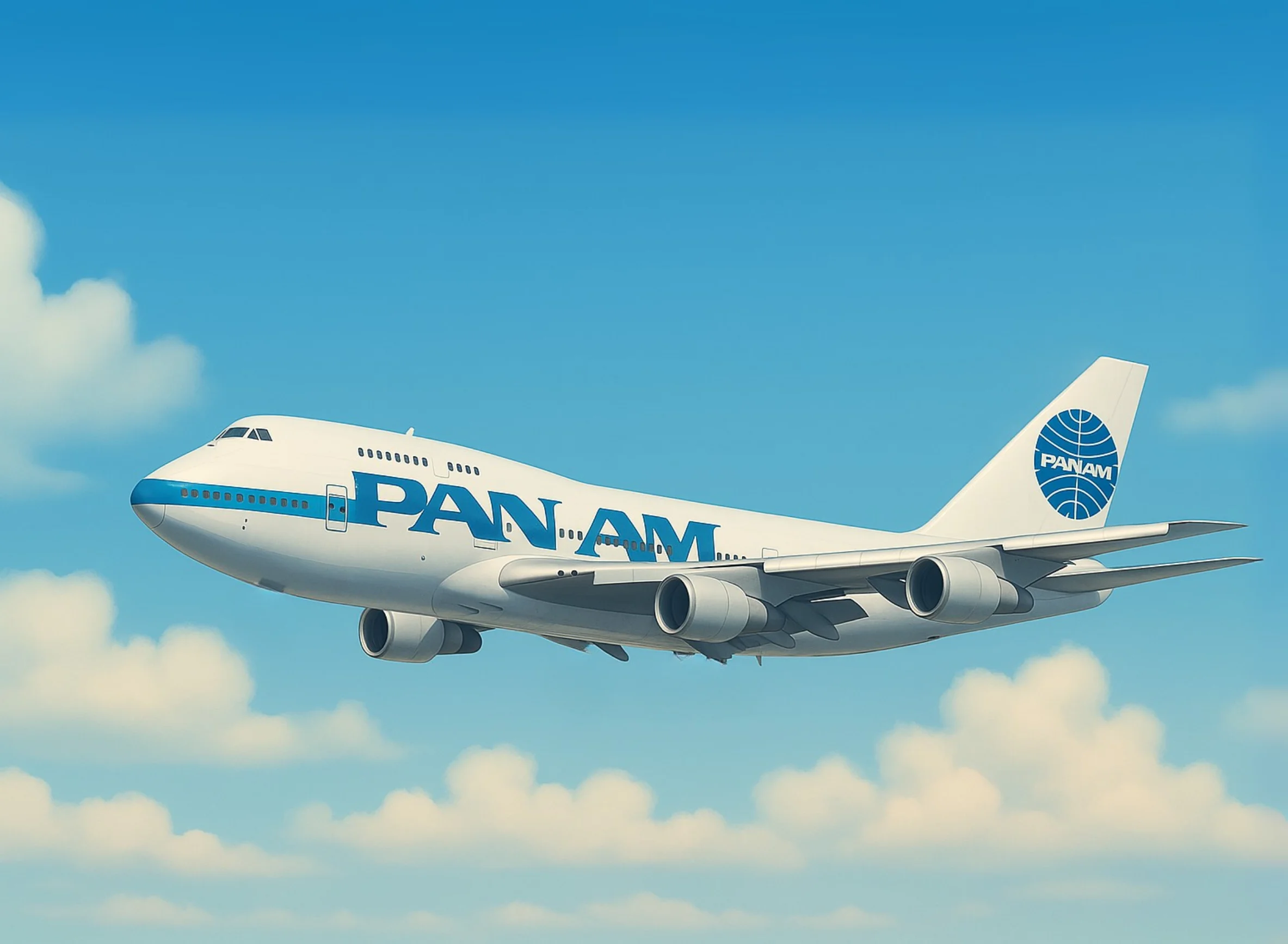
Thirty-five years after bankruptcy, the iconic airline brand Pan Am returns to skies in style. Well, sort of. The company is attempting to create a new luxury brand with a 19-day ultra-premium private jet expedition through southern Africa, departing New York, following a successful test run last year through Bermuda, Lisbon, London, and Ireland. But the play here is bigger than a nostalgia flight. CEO Craig Carter is building what he calls a “hospitality ecosystem” including a Los Angeles hotel opening next spring, a JFK lounge potentially this fall, and eventually scheduled commercial service. This isn’t a mass-market airline resurrection but a bet that travelers will pay a premium to recapture what Carter calls “the golden age of travel.” But is that a viable business model or an expensive exercise in nostalgia? Why not both?